
I was presented with a subject prompt last week. “What are your favorite shoes?” I had to think long and hard on this. As a hiker, shoes can become an obsession. I’m a minimalist, and don’t buy more than I need. I have winter boots, summer trail runners, a few pairs of mids that can carry me through the “mud season” and fall. Some work shoes too, but that’s about it.
Over the years though I’ve switched brands a few times and yeah, I’ve worn alot of hiking footwear. Picking one would be difficult.
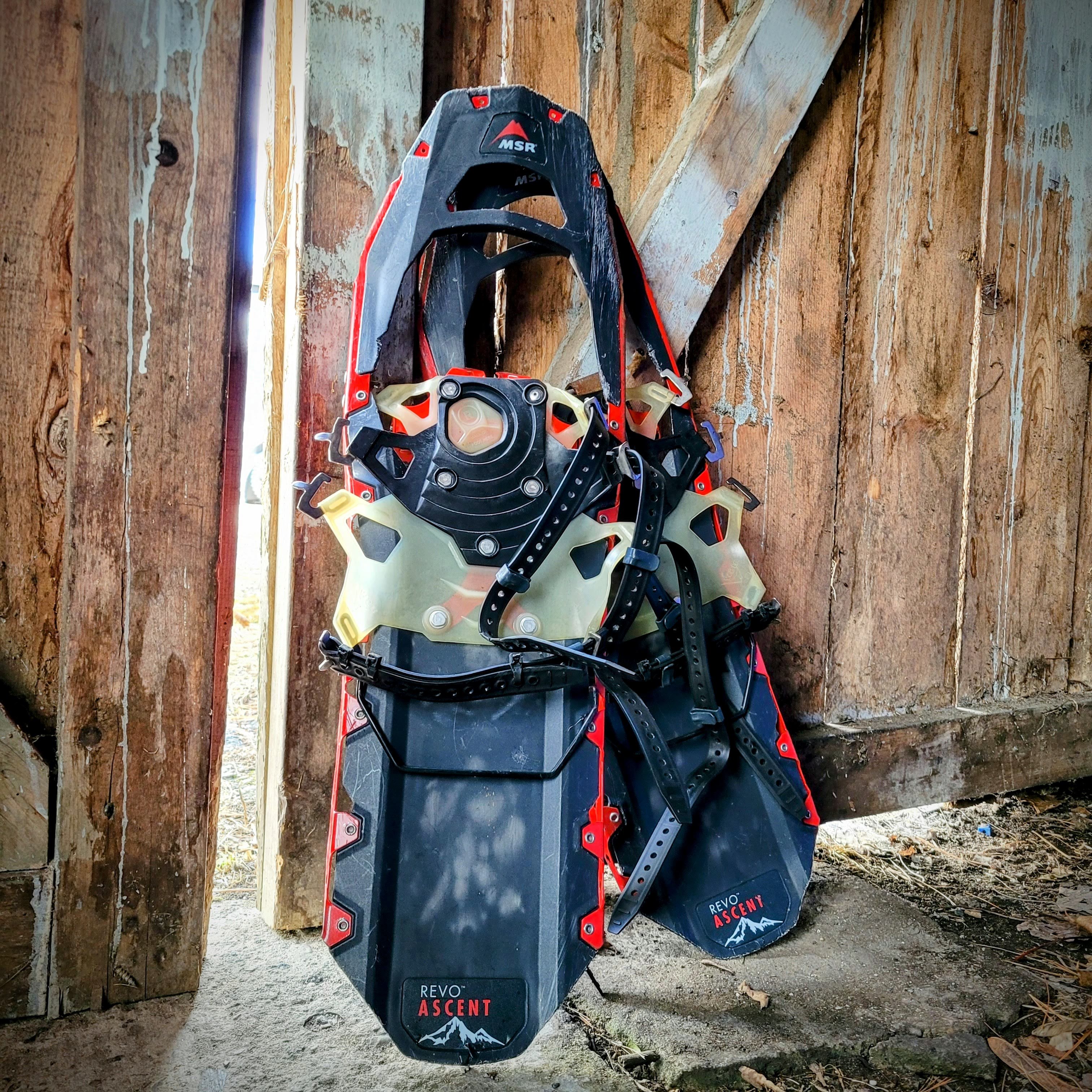
Returning last week from a hike in New York, I realized what shoes I’d worn consistently, year after year, and I couldn’t possibly go without- my prized snowshoes.
I purchased my snowshoes years ago, and my battle hardened Revos have carried me hundreds of miles. I’ve reached summits unattainable in bare boots or spikes.

When I purchased my Revos, I was planning on section hiking a set of trails in New Hampshire in winter, and they were a required item on the gear list of the attendees. The shoes were no small investment. I thought, what if I never use them again? Boy was I wrong!
Hiking in snow and ice requires traction, and for me follows a clear protocol. Bare boots with good lugs on minimal trace amounts of powder. Microspikes go on when things get icy or slippery and the snow layer begins to overwhelm bare boots. Serious ice? Go with crampons. When the snow gets deep and it begins to turn into a slog, go to snowshoes.
The Magic of Flotation
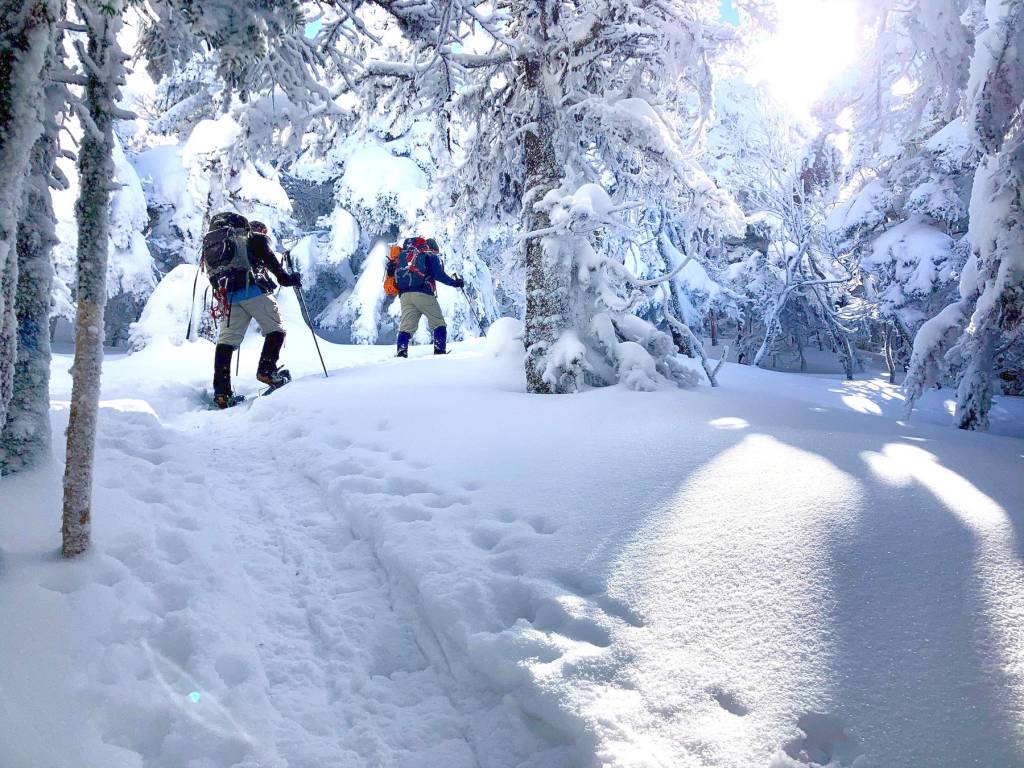
Properly chosen snowshoes allow you to “float” on the snow as you move, and though the snow is compressed, you’re supported by the snow underfoot rather than “postholing” or sinking deeper. Switching to snowshoes actually allows you to move faster and with less effort that spikes when the snow gets deep.
Safer in Snowshoes
I’m going suggest that snowshoes are much safer when the snow gets deeper as well. In the spring, when snow becomes softer, it’s much easier to sink a boot in deep snow if you step off the center of the trail. It’s not so much the snow that can cause an injury as what’s underneath. There may be a twisted root, branch, or void that could cause a twisted ankle, break or laceration.
Don’t Create a Path of Destruction
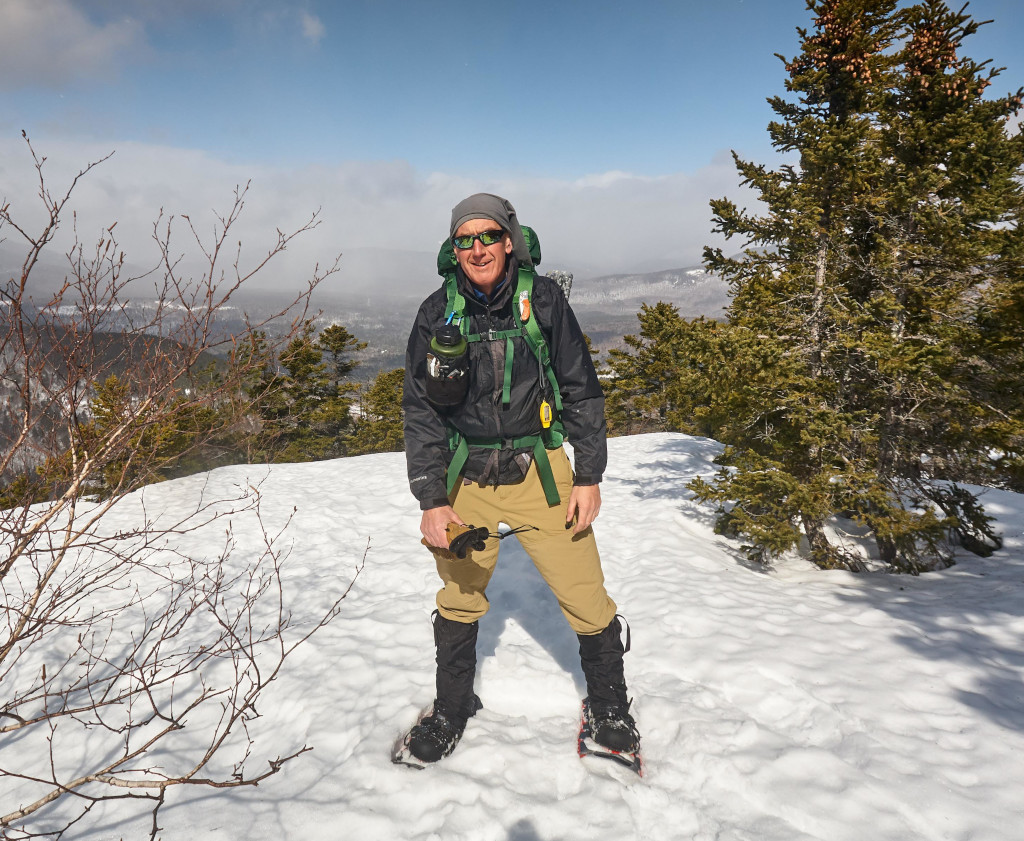
Wearing your snowshoes and breaking trail creates a groomed trail for those that follow in your footsteps. With the passage of each successive hiker wearing flotation, a smooth, hiker friendly trail is created. All it takes is a few bare booting hikers to posthole though a well groomed trail turning it into the surface of the moon. In winter, I’ll carry my shoes on my pack just as any other equipment on the chance that I’ll reach deep snow at elevation. I’d rather take the weight, than burn myself out trying to slog though deep snow and wipe myself out without them.
We’ll come back to shoe selection ( mountain vs flat terrain) in another post, or a simple search can take you down the rabbit hole on the myriad choices and types of flotation.
What’s on your feet?
 An Unmapped Route: A Hiker's Blog