

In the late summer of 2020, A friend and I hiked the Carter- Moriah range in the White Mountains. It was a sweltering hot week, and my first summer using zero drop shoes. I had purchased a pair of Lone Peak Altras, not because of the zero drop feature but due to the very lightweight design and mesh construction.
I wanted shoes that would dry quickly if I was unfortunate enough to plant a foot in a stream crossing, and they were much lighter and cooler than my leather Keens.
If you’re unfamiliar with the concept of zero drop shoes, Here’s a link to a good article. Basically, zero drop shoes are supposed to mimic walking barefoot, as your foot’s heel is not artificially elevated by the shoe design. There are arguments fore and against. They can change your walking gait, with a reduced heel strike. This might help if you have walking issues, the opposite can also be true.
I hiked a lot that summer, and instead of a gradual transition, I wore those Altras for the whole season. I developed some shin splints that year, but I can’t attribute it all to the shoes. I was in the White Mountains logging 12-15 mile days, and the constant pounding of coming downhill off the steeps was certainly part of the reason. The Whites eat shoes, and the Altras were giving out. Coupled with the splints, I retired them early and went back to my previous hikers, but I missed the large toe box and natural foot design offered by the Lone Peaks.
In 2022, I was summer shoe shopping again, looking for a lightweight boot or shoe to carry me on a section hike of the Long Trail in Vermont. I preferred a lightweight shoe, but also prefer mids over lows for more ankle support, and to keep my heel locked ( just a personal preference). I found a happy medium in these Lone Peak 2s
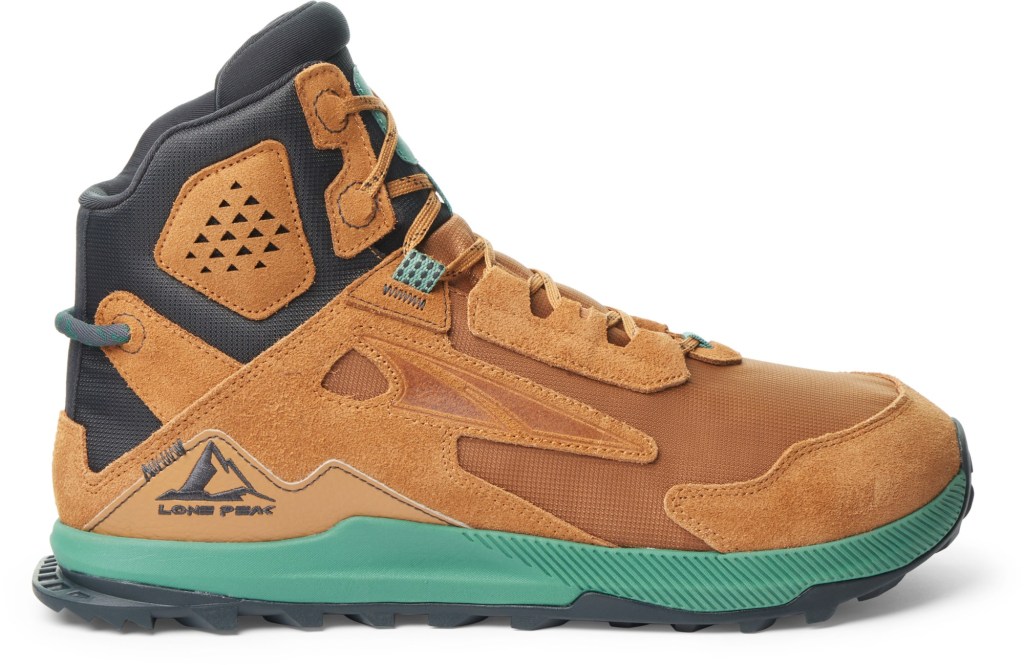
They received mixed reviews online. The tall boots were a bit difficult to get on and off, (true) but I loved the sturdy build. They were mesh, but a bit warm for midsummer hiking. I was a little concerned with the zero drop given my past history, so I decided to hedge my bet on them by removing the insole and dropping in a pair of Superfeet Greens to hold my heel in place and give me a little height at the back of the foot. This arrangement worked beautifully for me, and two years in, I love my Altras. This type design is discontinued and I can’t find a pair in my size. I wanted something similar but lighter. In my online research, I found Zero Shoes in Colorado. The Scramblers are made in a similar design but these were very minimalist. Shoe cushioning would be almost non existent. Could I make the transition completely to zero drop minimalist shoes?
Test Driving The Scrambler
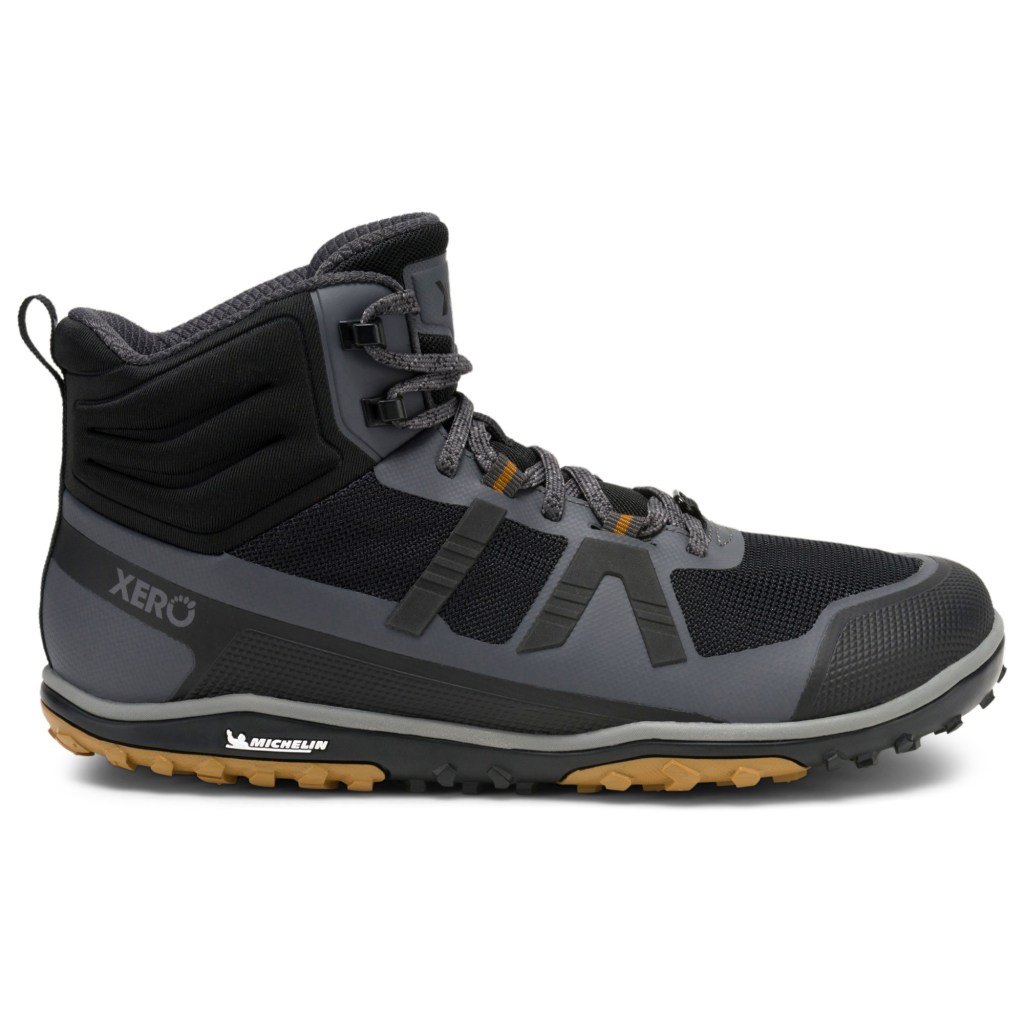
After a great deal of online research, I bought a pair of Scrambler 2 hiking shoes online at Xero Shoes. I was hesitant to buy online. I prefer to try shoes on before I buy, but bit the bullet and ordered a pair in January. I decided to break them in by using them during the winter months, and not for long distance hikes.
Right out of the box, this was a different shoe than I had ever worn. Very light, and sturdily built, but the sole was very thin. Picking the shoe up, I could easily bend the sole in half! Think of a mountain bike tire tread sewn to a shoe. I thought, there’s not much between my foot and the ground, which is really the point in minimalist shoes.
Putting them on my feet, I loved the wide natural design of the toe box, but unlike my Altras, I was basically flat on the ground and the lack of padding meant I could really feel the surface that I was walking on! At first it was a little unnerving, but on dirt it began to be pretty cool.
Two Months Later
I have been wearing these shoes daily for more than two months now. At first my feet were a little sore, probably due to the lack of padding and as my muscles became used to the extra work required of them wearing them. I have not experienced any heel or leg pain other than that initial soreness, but perhaps it’s because I was already partially adapted through the use of my Altras. I’ve had some sciatica in the last few years, and it hasn’t given me any trouble lately, and my feet feel fine, even after walking on pavement with them on long days. I don’t run in these or any shoes for that matter, so your mileage will vary. I’m loving the zero drop. There is excellent feedback from the walking surface and they’re more comfortable than my traditional Brooks running shoes ever were, even with the stack and padding they offered. How they’ll behave when I hit the trails in earnest with them in a few months remains to be seen. I am a bit concerned about their longevity. Close inspection of the sole indicates minor lug wear at the heels and balls of the feet already. I’m assuming the rubber is a soft compound to provide better traction on mud and dirt, but in the granite mountains of New Hampshire, these will be toast very quickly if they can’t survive two months of pavement.
I’m Not A Salesman
I’m not a gear reviewer, or a spokesman for Xero,and don’t receive any compensation for this post. There are many Youtube videos online and lots of internet noise about the pros and cons of minimalist shoes and zero drop footwear versus traditional. Here’s one more to add to the list. If you decide to try minimalist shoes, I’d recommend a gradual break in period, but don’t be afraid of the shoes or the hype for or against online.
 An Unmapped Route: A Hiker's Blog