

I worked for a while in the photography business. I think most agree that survival requires some key talent in the niche you’re in. Maybe street shooting and photojournalism is speed and quick thinking. I would say in any outdoor situation lighting is managed, not controlled. In my collaborations with commercial shooters it was all about control- lights, set building, talent wrangling, etc. I spent most of my time in the portraiture business. Lighting control was critical for faces before digital retouch. Putting people at ease, young and old would make or break the session. Do you agree?
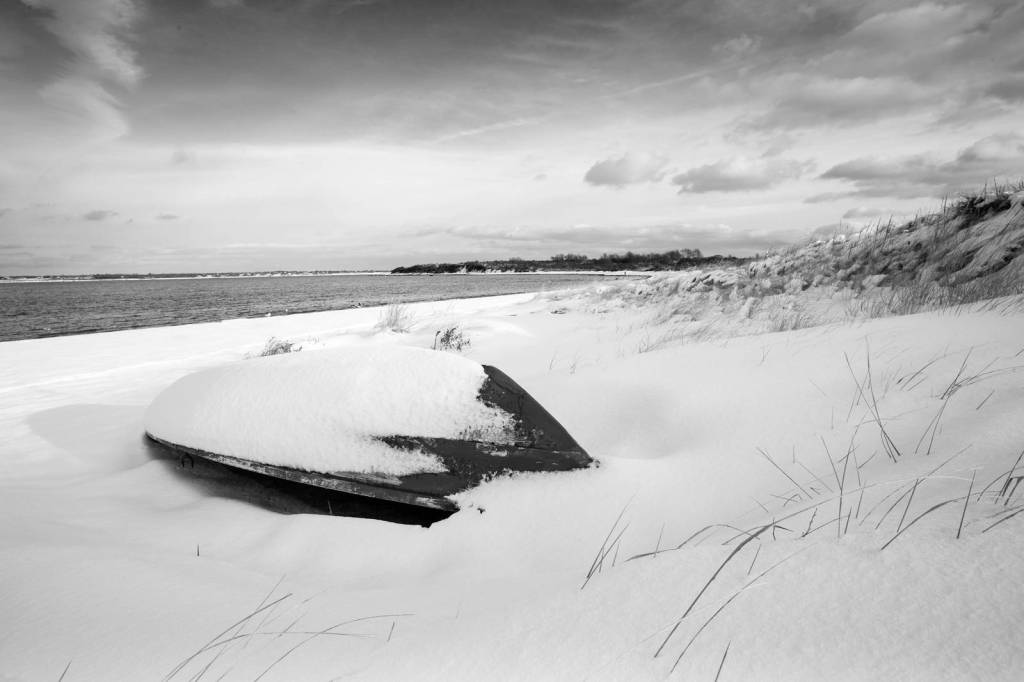
Skiff After a Snowstorm, Newport Rhode Island, USA © lifeasjack.com
Of course you don’t retouch stuff in the news business, or you’ll lose all credibility. During the early days of digital this was a big concern, as manipulation was now so much easier than the tools that were available with film. I remember attending a seminar at a broadsheet operation in Massachusetts more than twenty years ago, when Kodak was pioneering the digital camera push. Journalists were concerned over manipulated images that were being created on the new Scitex machines for ads for the paper. The implications of the ability to alter images so easily was enormous, and many of the fears of news staffers in the room was how it would affect reader’s trust in the information presented to the public. It’s pretty clear many of those fears those have been realized. The power of original images in journalism now must be curated due to the flood of digitally manipulated images in our world, and the public doesn’t always trust the arbiters.
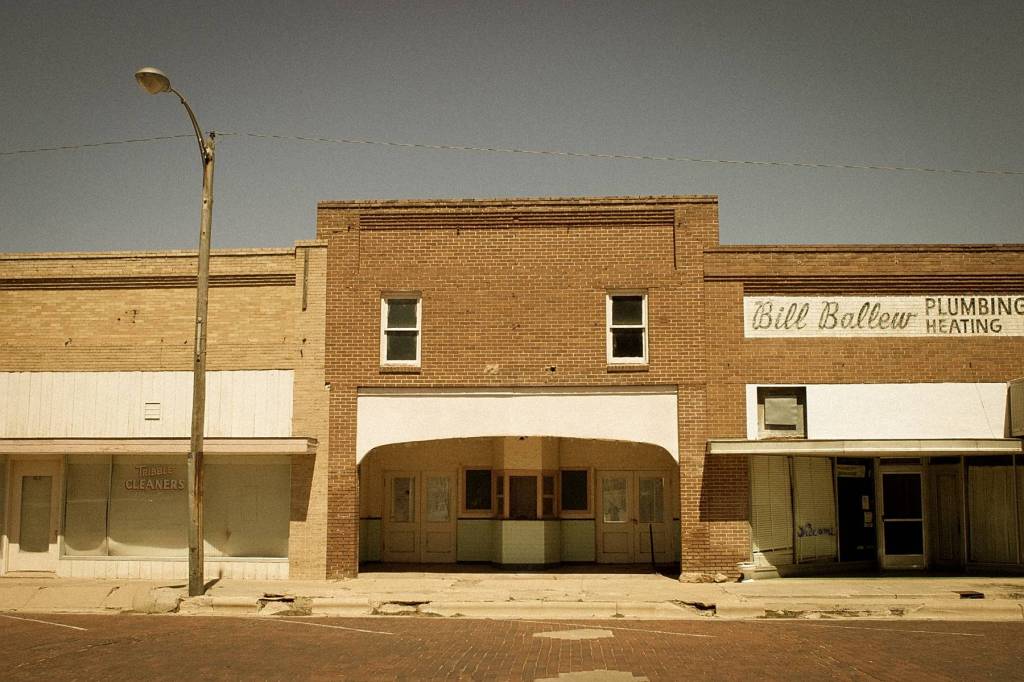
West Main St., Memphis, Texas, 2008 © lifeasjack.com
On the other hand, when I entered the portrait realm, nobody wanted to look like themselves. They want to look like themselves on their best day. Nobody want’s eyebags, blemishes or a double chin. When photoshop grew beyond the stone tools of 2.5.1, reality began to disappear from the portrait business. The layers palette changed the world and made the digital darkroom a much less tedious place than the traditional print processes of sloshing prints around in trays and making hand puppets while burning and dodging. The arrival of digital art meant the worry of having your color prints fade over time and those airbrushed blemishes not age with them was no longer a problem!

Mending nets. Danang, Vietnam © lifeasjack.com
When does a photograph become an illustration, or an “image” and when is it acceptable? Usually we’re not out to create a photograph, but to craft an idea. We all have our lines in the sand that we are determined not to cross in photography, yes?
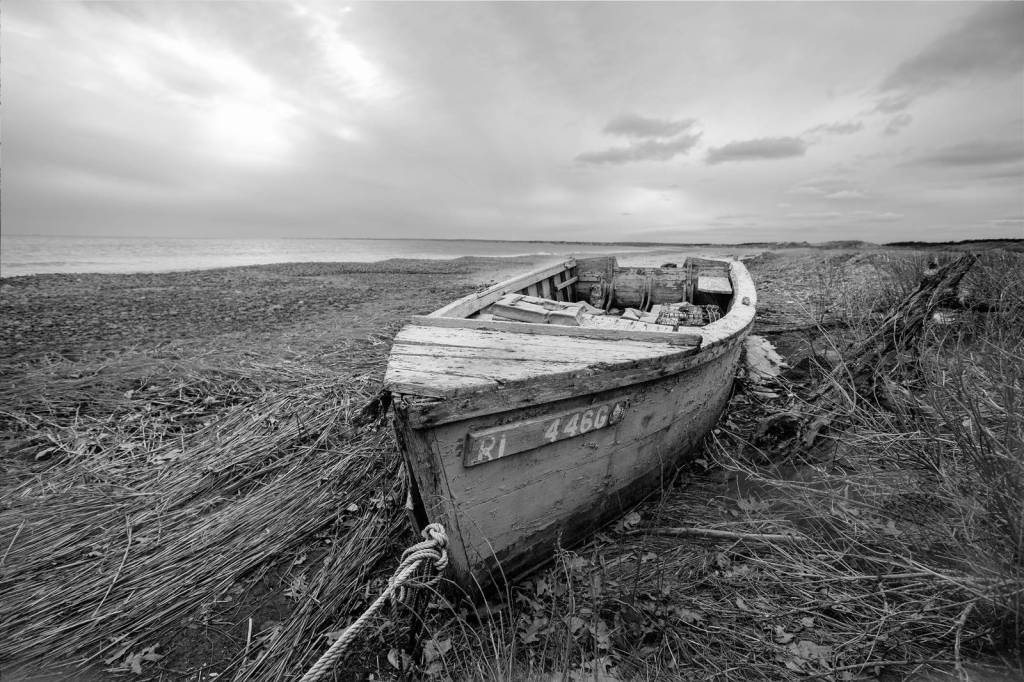
“Derelict” © lifeasjack.com All rights reserved
The image out of the camera, be it film or digital, is not as our eyes see it, or how it truly exists due to the limitations of our equipment (chip or gelatin). Correction can be necessary. When enhancement takes the photo beyond reality, how do we classify it? I’m fine producing these creative works as long as I’m not passing it off as authentic. Sometimes I create images that exist only in my imagination. The end result is no longer a photograph, and maybe not be art, but it’s a visual narrative, or statement is it not?
 An Unmapped Route: A Hiker's Blog