

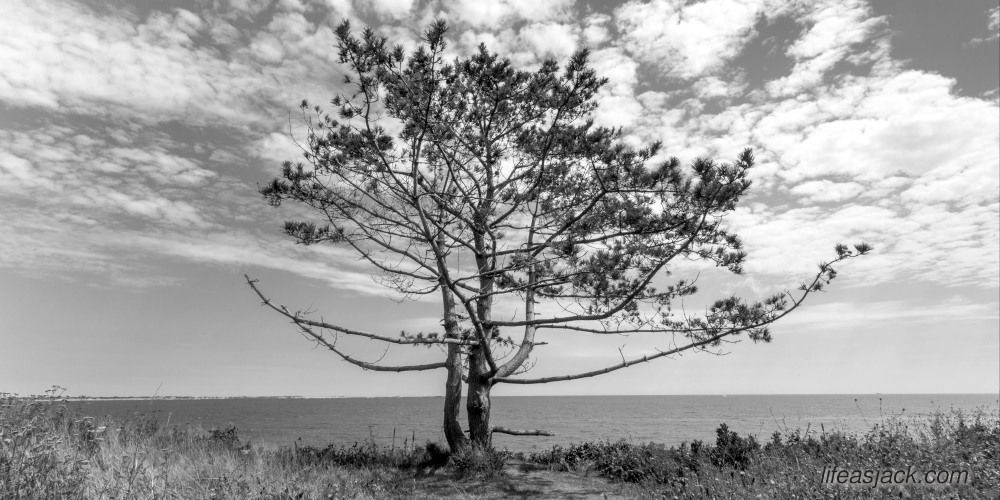
For years, I spent my days in darkness.
Under the red lights of the photography darkroom, I would create black and white prints for customers and myself, back in the day when roll film was the standard.
It was not inexpensive to run a wet lab, but if you wanted ultimate control over your printing, this was the way to do it.
After exposing the photographic paper to the negative’s projected image, I would move the paper to each bath, developer, water, fixer, water bath.
Watching the image appear under the red lights was always magical, perhaps the best part of the photographic process back then.
The paper that was chosen to hold the art you created was important.
Imaging giant Kodak made a fine fibre based paper, heavy and thick, with a warm tone that I loved. It was a bear to work with, requiring excessive amounts of water to wash out the chemistry in the final bath, and wanted to curl when it dried.
The feel of moving the paper from bath to bath was as lifting wet velvet. It had a lovely texture. With the right image, perhaps sepia toned, the final product was a rich visual feast- chocolate for the eyes and soul.
Digital has made photography easier and the printmaking process much less of a headache, particularly if you need multiple prints that are identical.
Looking at the photographs that hang on the walls, I realize the value now was the originality of each singular print. That no two prints could be exactly the same in that process, and that variations separate the art from today’s mass produced photographs. When I sold prints, repeatability was the goal, but for myself, it’s the one offs that have no duplicate that I hold dear.

 An Unmapped Route: A Hiker's Blog
Thank you for following this post to the end. I appreciate any feedback in the comments box below.