
“STOP. The area ahead has the worst weather in America. Many have died there from exposure even in the Summer. Turn back now if the weather is bad.”
This sign actually exists, on the Crawford Path, which leads to the summit of Mount Washington in New Hampshire. The mountain, though not exceedingly tall (Tallest in New England) is “home to the worst weather in the world”.
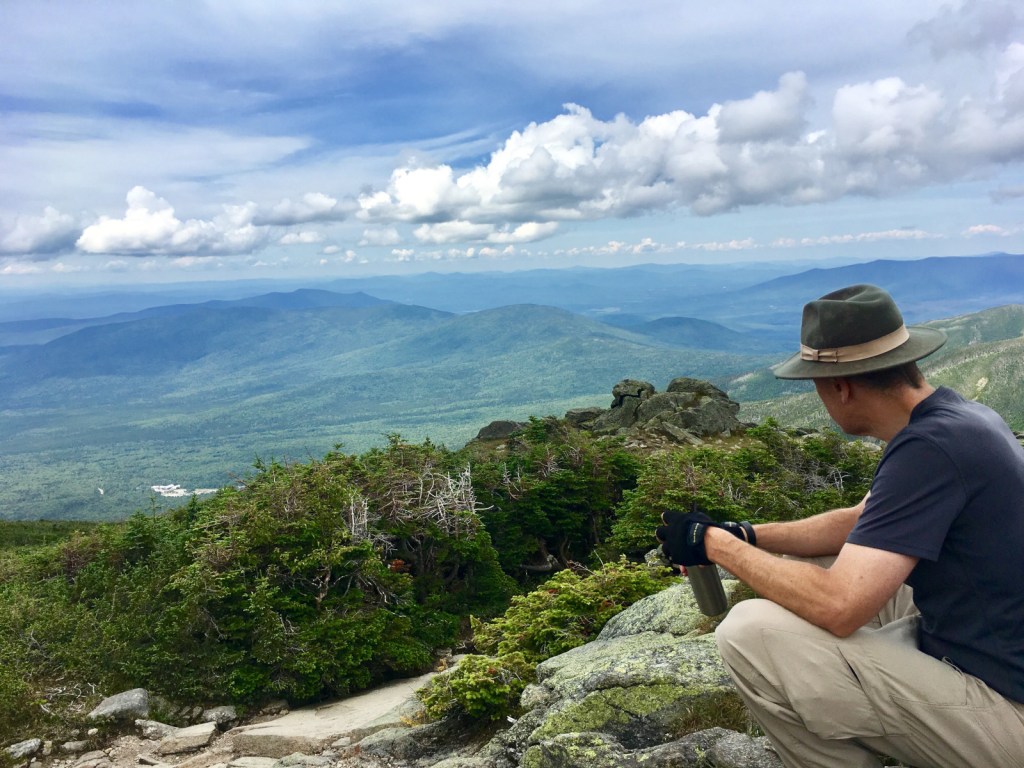
On my first hike of the mountain, I turned back at this sign, not because of weather that day, but because the peak was socked in with cloud cover and views were non existent. It was still a good idea. With the hiking knowledge I have now, I made the right choice for reasons I did not fully understand then. New to hiking, I had worn a cotton shirt that was soaked through due to my exertion getting close to the summit. “Cotton kills” as the saying goes, and the soggy layer cools the skin, and doesn’t dry quickly. Approaching the summit which is much cooler than the base at Marshfield Station could have lead to me getting dangerously cold or even hypothermic. I didn’t bring another layer to change into either. It was late summer, but the mountain can get a snowstorm even in July.
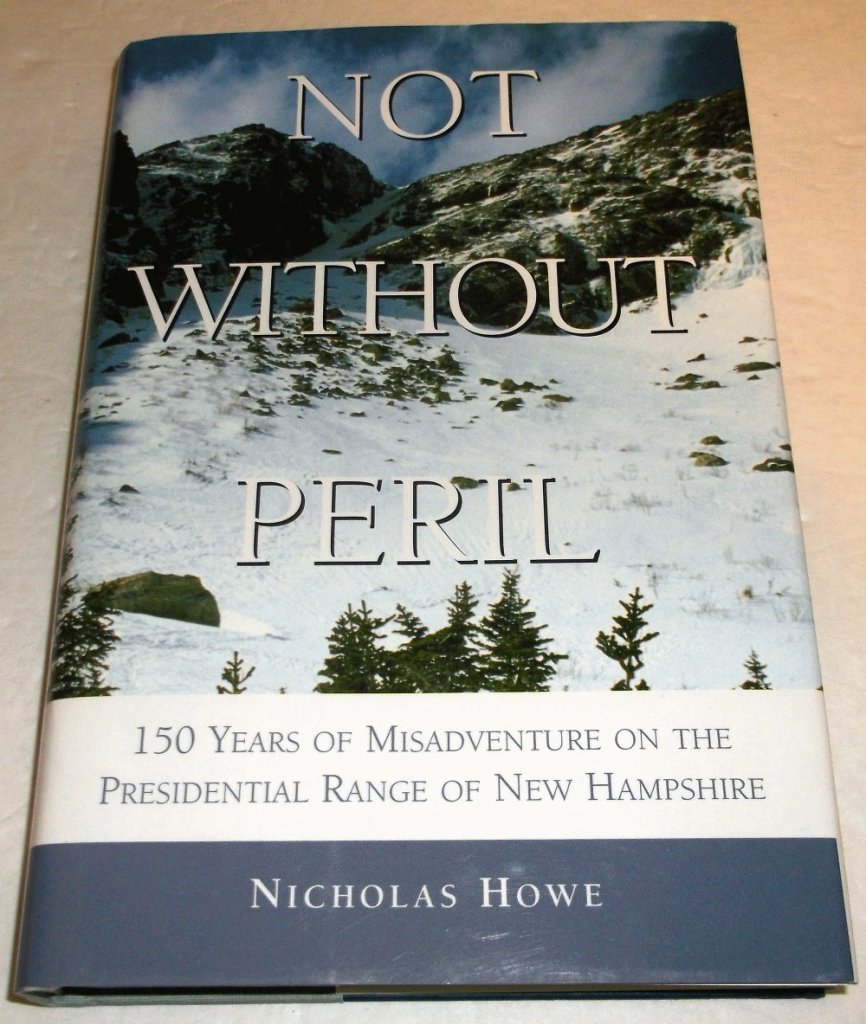
My short story is similar to some of the others you’ll find in Not Without Peril by Nicholas Howe, but I came away unscathed. If you’re a hiker entertaining adventure in the White Mountains of New Hampshire, this book is for you. I read it as I began hiking in the Whites, and it’s fascinating history of Mount Washington. It’s 22 tales of doom on it’s slopes and ravines is a sobering read for those of us who may be susceptible to summit fever.
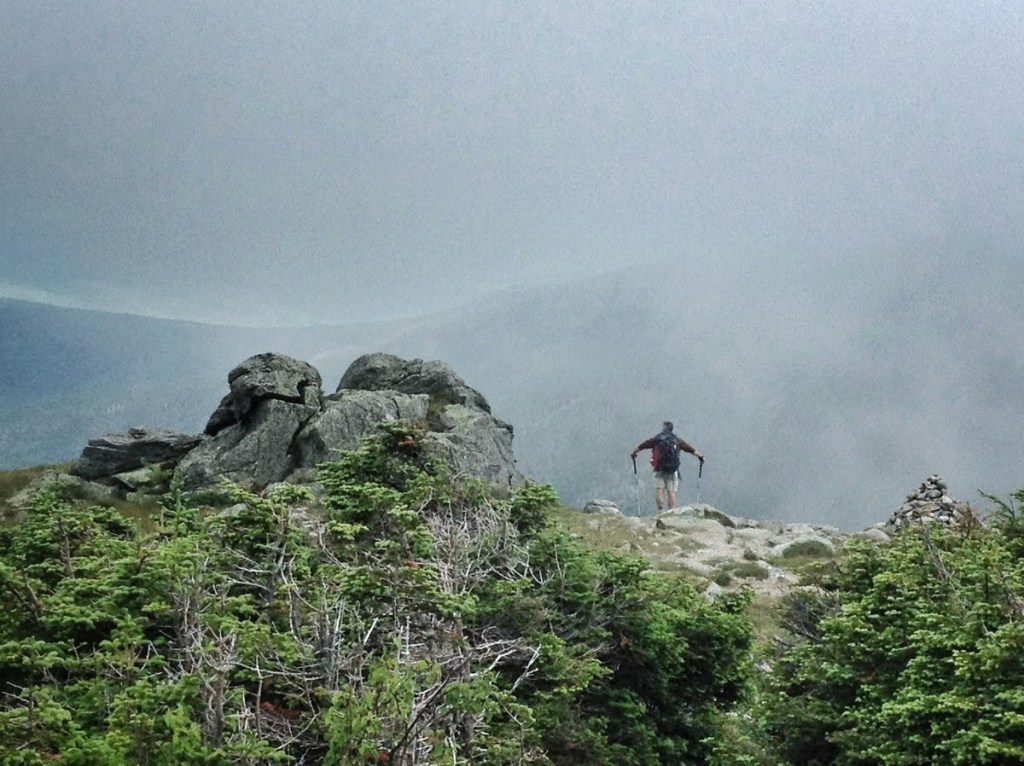
Some of the tales of hapless individuals and how they met their end were quite unique, but I was surprised how many hikers, simply died of heart attacks, or skiers who skied off cliffs or collisions with geography.
 An Unmapped Route: A Hiker's Blog